





A Guide to Hiding Security Cameras
2024-03-19
In an age where security concerns are prevalent, installing security cameras has become a common practice for safeguarding homes, businesses, and public spaces. However, while the intention to enhance safety is clear, the presence of visible cameras can sometimes raise concerns about privacy. Fortunately, there are ways to effectively hide security cameras to achieve both security and privacy goals.
What Are Security Cameras?
Security cameras are devices that are used to monitor and record activities around a specific area. In homes, businesses, public spaces, and government facilities, they are often used as security and surveillance tools. Depending on the specific requirements and goals of the surveillance system, these cameras come in a variety of types and can be visible or hidden.
Understanding the Importance of Hidden Cameras
Deterrence: Visible security cameras serve as a deterrent to potential criminals. When individuals are aware of being monitored, they are less inclined to engage in criminal activities.
Covert Surveillance: In certain circumstances, it becomes imperative to observe an area without alerting those under scrutiny. Covert or hidden cameras are utilized for investigative purposes or to apprehend wrongdoers who might alter their behavior if they know they are being watched.
Aesthetic Considerations: In residential settings, homeowners often prioritize maintaining the aesthetic appeal of their property without compromising on security. In such instances, hidden cameras offer a discreet solution, allowing for surveillance without intruding on the visual harmony of the surroundings.

How to Hide Security Cameras Indoors?
Hiding security cameras indoors requires careful planning and consideration to ensure effective surveillance without compromising privacy or aesthetics. Here are some practical steps to hide security cameras indoors:
1.Choose Discreet Camera Designs: Opt for compact and inconspicuous camera models that can blend seamlessly into their surroundings. Miniature cameras, dome cameras, or cameras disguised as household objects like clocks, smoke detectors, or picture frames are excellent choices for maintaining a low profile.
2.Strategic Placement: Identify strategic locations for camera placement that provide optimal coverage while remaining inconspicuous. Consider areas such as corners, shelves, or high on walls where cameras can have an unobstructed view of the room without drawing attention.
3.Camouflage with Decor: Incorporate cameras into existing decor elements to camouflage their presence. Conceal cameras within plants, decorative vases, or bookshelves to make them less noticeable while still capturing essential footage.
4.Use Wireless Cameras: Wireless cameras eliminate the need for visible cables, making them easier to conceal. With wireless connectivity, cameras can be placed discreetly without the limitations of wiring, providing greater flexibility in positioning.
5.Conceal Wiring: Conceal any visible wiring to prevent drawing attention to the cameras. Run wires along baseboards, behind furniture, or within walls and ceilings using cable management systems to keep them out of sight.
6.Consider Remote Viewing Options: Choose cameras with remote viewing capabilities that allow you to monitor footage discreetly from your smartphone, tablet, or computer. This eliminates the need for conspicuous monitoring equipment and provides added convenience.
7.Utilize Nanny Cams: Nanny cams are specifically designed for discreet indoor surveillance, often disguised as everyday objects like teddy bears, alarm clocks, or USB chargers. These covert cameras are ideal for monitoring childcare providers or ensuring the safety of children and pets without raising suspicions.
8.Maintain Privacy Boundaries: Be mindful of privacy concerns and avoid placing cameras in sensitive areas such as bedrooms or bathrooms. Respect the privacy of household members and guests by informing them of the presence of surveillance cameras in common areas.
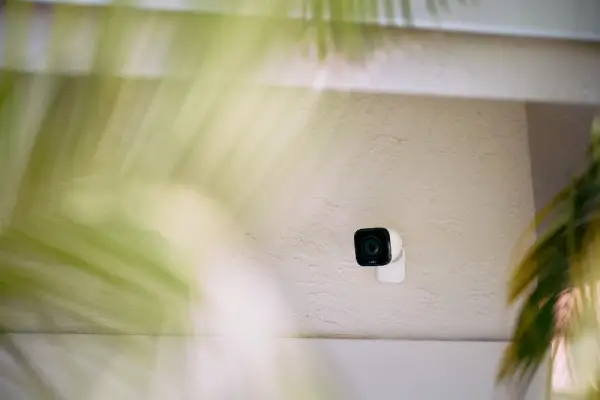
How to Hide Security Cameras Outdoors?
Hiding security cameras outdoors presents its own set of challenges, as cameras need to withstand weather conditions while remaining discreet. Here's how to effectively hide outdoor security cameras:
1.Weatherproof Cameras: Choose outdoor security cameras specifically designed to withstand various weather conditions, including rain, snow, and extreme temperatures. Look for cameras with an IP rating of at least IP65 for optimal weather resistance.
2.Camouflage with Landscape: Conceal cameras within landscaping elements such as trees, bushes, or shrubs to blend them seamlessly into the environment. Position cameras strategically to ensure they have a clear view of the intended area while remaining hidden from plain sight.
3.Disguised Enclosures: Use weatherproof enclosures or housings to conceal cameras while still providing protection from the elements. These enclosures can be disguised as outdoor fixtures such as birdhouses, floodlights, or electrical boxes, allowing cameras to remain hidden in plain sight.
4.Inconspicuous Mounting: Mount cameras in inconspicuous locations such as under eaves, on rooflines, or high on walls to minimize visibility. Avoid placing cameras in easily accessible areas where they can be tampered with or stolen.
5.Wireless Cameras: Opt for wireless outdoor cameras to eliminate the need for visible wiring, making them easier to conceal. Wireless cameras offer greater flexibility in positioning and can be placed discreetly without the limitations of wiring.
6.Utilize Existing Infrastructure: Take advantage of existing infrastructure such as outdoor lighting fixtures or security signs to conceal cameras. Mount cameras inside or behind these fixtures to maintain a low profile while still capturing essential footage.
7.Remote Viewing Options: Choose cameras with remote viewing capabilities that allow you to monitor footage discreetly from your smartphone, tablet, or computer. This eliminates the need for conspicuous monitoring equipment and provides added convenience.
8.Consider Solar-Powered Cameras: Solar-powered cameras offer a convenient and eco-friendly solution for outdoor surveillance. These cameras use solar panels to recharge their batteries, eliminating the need for frequent battery changes and reducing visibility of power cables.
9.Use Camouflage Accessories: Utilize camouflage accessories such as camouflage skins or covers to blend cameras into their surroundings. These accessories are available in various patterns and colors to match different outdoor environments.
Ensuring Legal Compliance and Ethical Considerations
While hiding security cameras can enhance safety and privacy, it's essential to ensure compliance with legal regulations and ethical standards:
Check Local Laws: Research local laws and regulations regarding the use of surveillance cameras, including rules related to privacy, consent, and recording in public spaces.
Respect Privacy Boundaries: Avoid placing cameras in areas where individuals have a reasonable expectation of privacy, such as bedrooms or bathrooms. Additionally, inform occupants and visitors about the presence of surveillance cameras to maintain transparency and respect their privacy rights.
Data Security Measures: Implement robust cybersecurity measures to safeguard captured footage from unauthorized access or misuse. Encrypting data, regularly updating firmware, and restricting access to camera systems can help prevent breaches and protect sensitive information.
Conclusion
Hiding security cameras offers a practical solution for enhancing safety and security while respecting privacy concerns. By strategically placing cameras, utilizing creative camouflage techniques, and adhering to legal and ethical standards, individuals and organizations can effectively monitor their surroundings without compromising privacy or sacrificing effectiveness. Ultimately, striking a balance between security and privacy is key to creating a safer and more secure environment for all.
 Reasons to Avoid Purchasing Inexpensive Security Cameras
 How to Protect a Cctv Camera from Rain
 What's the Difference Between 4k and 1080p?
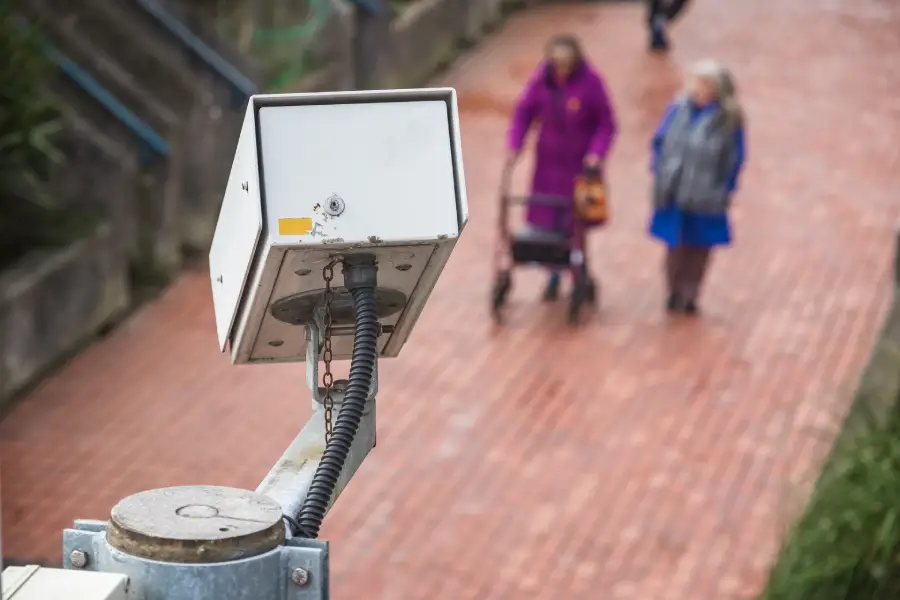 Benefits of Surveillance Cameras in Public Places
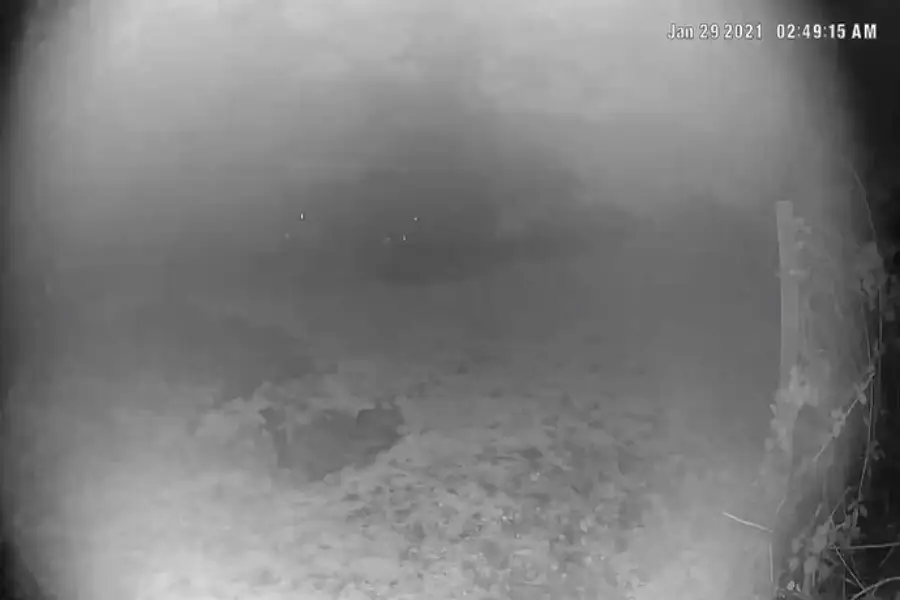 How to Prevent Camera Lens from Fogging at Night
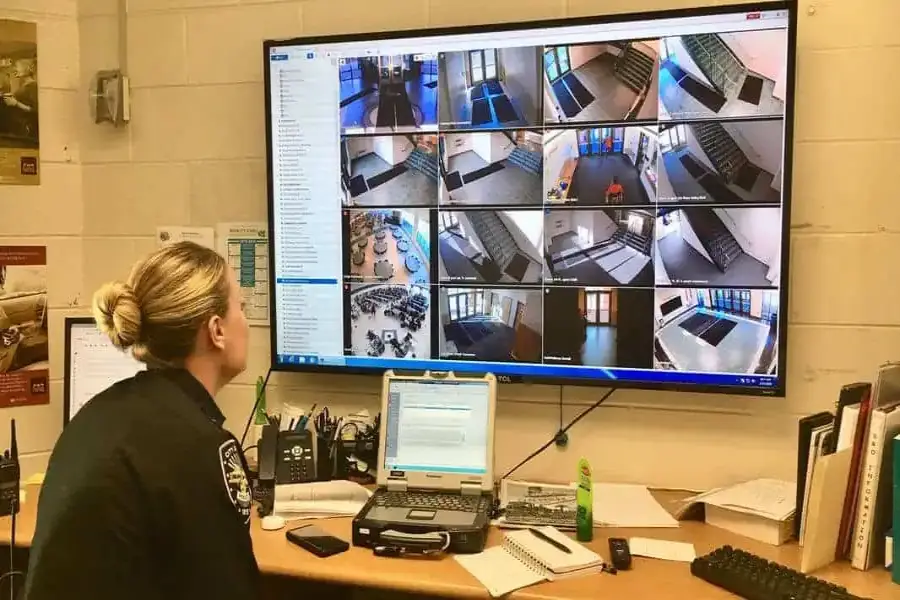 How Long Do Security Cameras Keep Footage?
 A Complete Guide to PTZ Controller
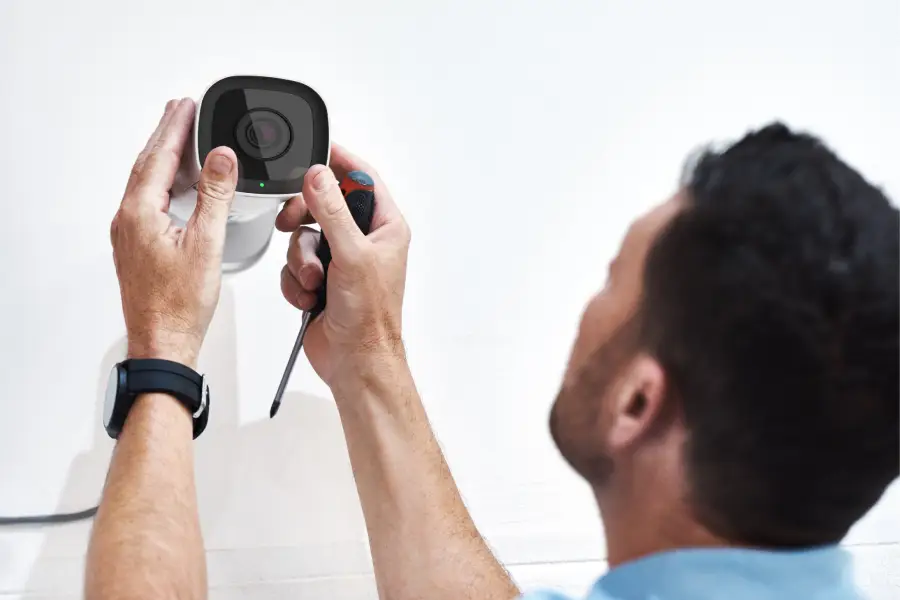 Best 10 Places to Put Security Cameras
 How to Power Wireless Cameras
 How to Choose the Best Security Camera Housing
 CCTV Camera Vs IP Camera: What's the Difference?
 The Top 10 CCTV Problems You Need to Fix
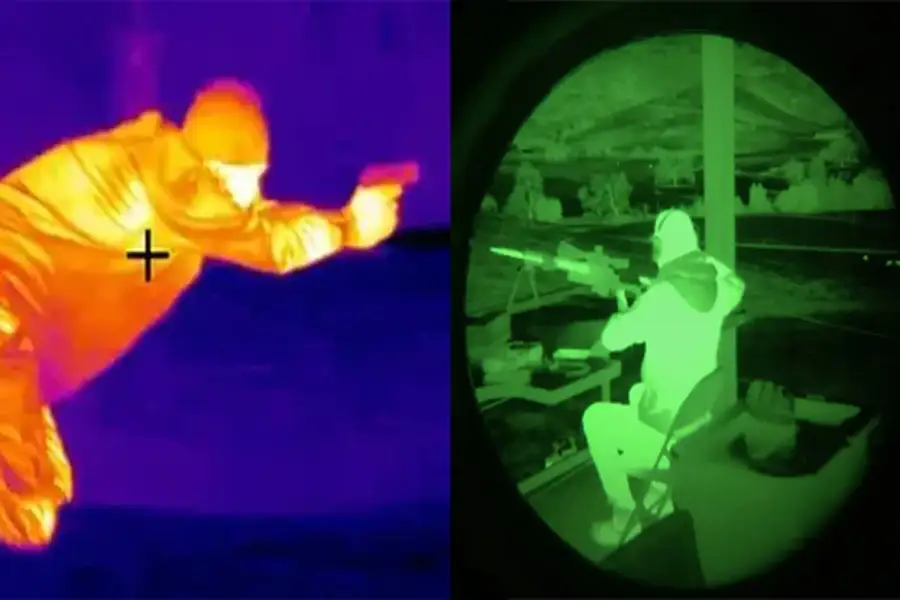 Difference Between Thermal Imaging and Infrared
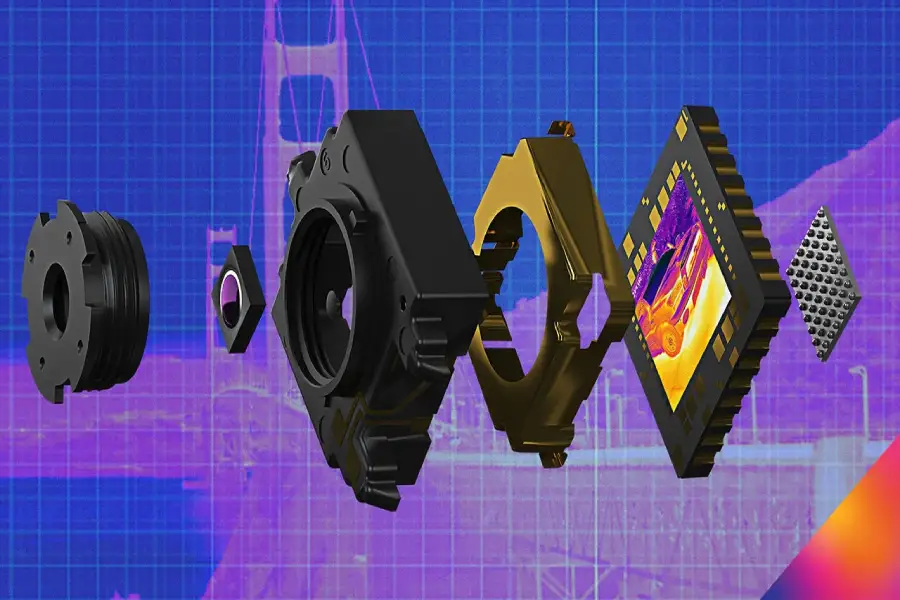 How Does a Thermal Imaging Camera Work
 How Do Wireless Security Cameras Get Power
 A Guide to Reset PTZ Camera Settings
 How to Protect Outdoor Security Cameras like a Pro
 CCTV Meaning in Business Security
 What Are the Different Types of CCTV Camera Bracket?
 What Is the Difference Between Mainstream and Substream