




Difference Between Thermal Imaging and Infrared
2024-01-23
In the realm of advanced imaging technologies, thermal imaging and infrared are two terms often used interchangeably, leading to confusion. Understanding the key differences between these technologies is crucial for making informed decisions in various applications. In this article, we'll delve into the disparities between thermal imaging and infrared, shedding light on their unique features and applications.
What Is Thermal Imaging?
Thermal imaging, also known as infrared thermography, is a cutting-edge technology designed to capture and visualize the infrared radiation emitted by objects, surfaces, and living organisms. Unlike conventional cameras that rely on visible light, thermal imaging cameras detect and measure the heat radiating from objects, creating detailed images that represent temperature variations across the observed scene.
Principles of Thermal Imaging
The fundamental principle behind thermal imaging lies in the detection of infrared radiation. All objects with a temperature above absolute zero emit infrared radiation, and thermal imaging cameras are equipped with sensors that can capture and convert this radiation into visible images. These images use a color palette to represent temperature differences, with warmer areas depicted in warmer colors like red or yellow, and cooler areas in cooler colors like blue or purple.
Applications of Thermal Imaging
Thermal imaging finds applications across diverse industries due to its unique ability to reveal temperature variations. Some key applications include:
- Building Diagnostics: Identifying insulation gaps, detecting water leaks, and assessing energy efficiency.
- Electrical Inspections: Locating overheating components and potential faults in electrical systems.
- Medical Imaging: Diagnosing health conditions based on temperature patterns in the human body.
- Surveillance and Security: Monitoring areas in low-light conditions and detecting intruders.
- Search and Rescue: Locating individuals in challenging environments, especially at night.
- Industrial Inspections: Analyzing equipment performance and identifying anomalies.
What Is Infrared?
Infrared radiation is a form of electromagnetic radiation characterized by wavelengths longer than those of visible light. While humans cannot see infrared radiation, it is omnipresent in the environment, originating from various heat-emitting sources, including objects, surfaces, and living organisms. The infrared spectrum extends from approximately 700 nanometers to 1 millimeter, covering near-infrared, mid-infrared, and far-infrared wavelengths.
Properties of Infrared Radiation
Understanding the properties of infrared radiation is crucial for comprehending its applications:
- Invisibility: Infrared radiation is invisible to the human eye, but its effects can be detected and measured using specialized equipment.
- Heat Emission: All objects with a temperature above absolute zero emit infrared radiation. Warmer objects emit more intense and higher-frequency infrared radiation.
- Thermal Imaging: Infrared radiation is central to thermal imaging technology, where it is harnessed to capture temperature differences and create thermal images.
Applications of Infrared Technology
Infrared technology extends its influence across diverse fields, each application harnessing its unique properties:
- Communication: Infrared is used in various communication devices, including remote controls, data transmission systems, and optical fibers.
- Night Vision: Infrared night vision technology allows for enhanced visibility in low-light or complete darkness.
- Medical Diagnostics: Infrared imaging is employed in medical diagnostics for tasks such as identifying heat patterns in the body and detecting abnormalities.
- Environmental Monitoring: Infrared sensors are utilized to study climate patterns, detect forest fires, and monitor wildlife.
- Security Systems: Infrared is integral to security systems, enabling the detection of intruders and surveillance in challenging lighting conditions.
Difference Between Infrared and Thermal
1.Objective
Thermal imaging is specifically focused on capturing and visualizing temperature differences in a scene. In contrast, infrared technology encompasses a wider range of applications, including communication, sensing, and imaging beyond temperature-related features.
2.Color Representation
Thermal imaging uses color mapping to represent temperature variations, with warmer areas depicted in warmer colors. Infrared technology, depending on its application, may not use color mapping for temperature visualization but rather for differentiating objects or materials based on their infrared signatures.
3.Applications
Thermal imaging finds applications in various fields such as building diagnostics, electrical inspections, and medical imaging, where identifying temperature differences is critical. Infrared technology, on the other hand, extends its reach to communication devices, night vision equipment, and more diverse applications.
Choosing the Right Technology
When deciding between infrared and thermal technology, it's essential to consider the specific needs of the application. If the focus is on temperature-related features, thermal technology is the preferred choice. However, if a broader range of applications is required, including non-temperature-related uses, infrared technology may be more suitable.
Thermal imaging vs IR night vision
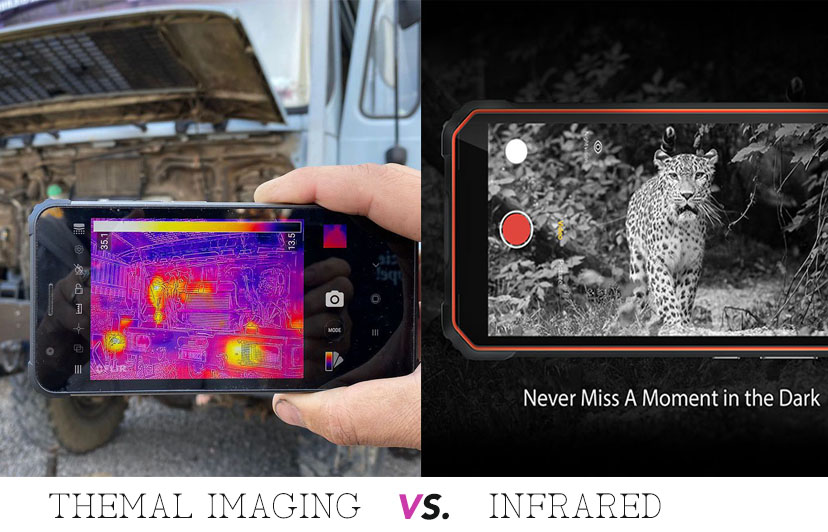
Thermal imaging and IR night vision are distinct technologies with unique purposes. Thermal imaging detects infrared radiation emitted by objects, converting it into visible images, while IR night vision amplifies available light in the environment for visibility. This section will delve into the disparities between thermal imaging and IR night vision, exploring their applications and characteristics.
Thermal Imaging
Also known as infrared thermography or thermal video, thermal imaging identifies heat signatures of objects, creating images based on detected infrared radiation. This technology is widely applied in industrial, military, and medical fields.
Key Advantages of Thermal Imaging:
- Detects temperature differences, aiding in anomaly detection in machinery and identifying hot spots in electrical systems.
- Locates leaks in buildings and assists in firefighting by identifying high-heat areas.
- Offers the ability to see through smoke, fog, and obscurants, beneficial for search and rescue operations and military surveillance.
IR Night Vision
Known as image intensification or low-light imaging, IR night vision enhances available light in the environment to generate visible images. This technology relies on converting photons into electrons using a photocathode, amplifying the resulting electrons, and then converting them back into photons with a phosphor screen.
Common Applications of IR Night Vision:
- Military, law enforcement, and hunting applications for improved visibility in low-light conditions.
- Allows users to see without additional light sources, enhancing situational awareness.
- Can be combined with other technologies like thermal imaging for comprehensive surveillance.
- Useful for locating hidden cameras in public places or homes.
Disadvantages of IR Night Vision:
- Limited range dependent on available light, affected by weather conditions and other factors.
- Susceptible to glare and blooming from bright light sources.
In summary, thermal imaging excels in detecting temperature variations and seeing through obscurants, while IR night vision enhances visibility in low-light conditions, offering versatile applications in military, law enforcement, and surveillance scenarios. Each technology has its advantages and limitations, making them suitable for specific use cases based on environmental conditions and operational requirements.
 Reasons to Avoid Purchasing Inexpensive Security Cameras
 How to Protect a Cctv Camera from Rain
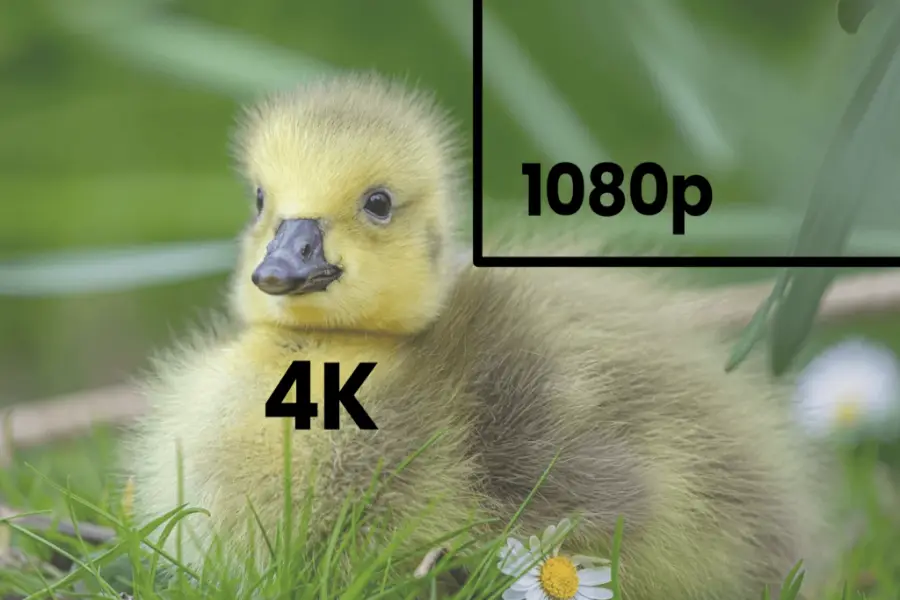 What's the Difference Between 4k and 1080p?
 Benefits of Surveillance Cameras in Public Places
 How to Prevent Camera Lens from Fogging at Night
 How Long Do Security Cameras Keep Footage?
 A Guide to Hiding Security Cameras
 A Complete Guide to PTZ Controller
 Best 10 Places to Put Security Cameras
 How to Power Wireless Cameras
 How to Choose the Best Security Camera Housing
 CCTV Camera Vs IP Camera: What's the Difference?
 The Top 10 CCTV Problems You Need to Fix
 How Does a Thermal Imaging Camera Work
 How Do Wireless Security Cameras Get Power
 A Guide to Reset PTZ Camera Settings
 How to Protect Outdoor Security Cameras like a Pro
 CCTV Meaning in Business Security
 What Are the Different Types of CCTV Camera Bracket?
 What Is the Difference Between Mainstream and Substream