





How to Protect Outdoor Security Cameras like a Pro
2023-12-25
When it comes to outdoor security cameras and systems protection, people often ask these common questions: What are the best ways to keep bugs and spiders away from security cameras? Do you know how to protect CCTV cameras from the elements? Or, how can you prevent your outdoor security cameras from being stolen or damaged? We share some easy fixes to these common problems and some helpful tips to help you protect them.
Question1: How to Stop Outdoor Security Camera Being Vandalized, Blinded, or Stolen
Protecting outdoor security cameras from vandalism, blinding, or theft is crucial to maintaining the security of your property. Here are some effective measures to prevent such incidents:
1.Strategic Placement:
Install cameras at a height that is not easily reachable.
Place cameras in inconspicuous locations to make them less tempting targets.
Consider installing cameras under eaves or other protective overhangs.
Place cameras in inconspicuous locations to make them less tempting targets.
Consider installing cameras under eaves or other protective overhangs.
2.Tamper-Resistant Housing:
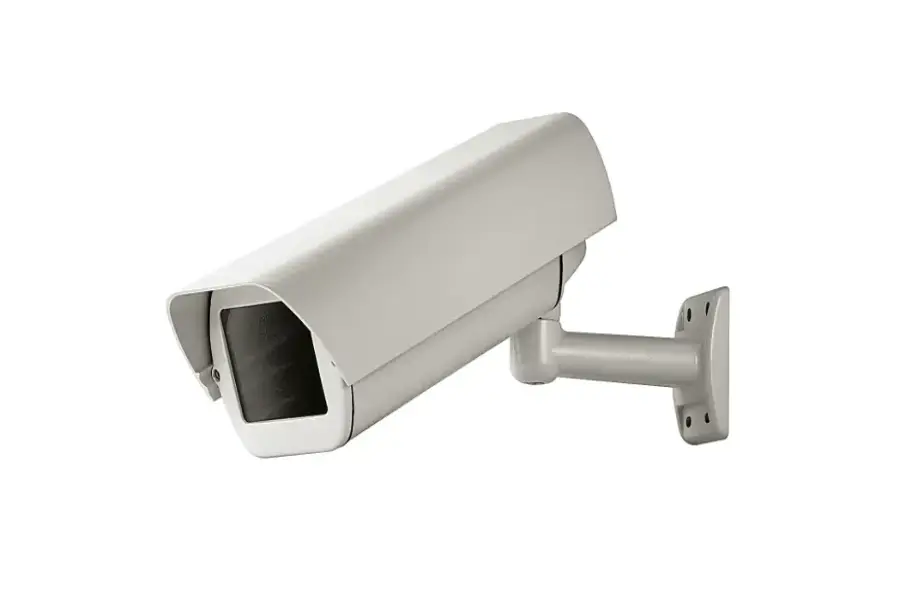
Invest in security cameras with vandal-resistant housing made of durable materials like metal.
Choose cameras with a tamper-resistant design, making it difficult for intruders to access or damage the camera.
Choose cameras with a tamper-resistant design, making it difficult for intruders to access or damage the camera.
3.Anti-Tamper Screws:
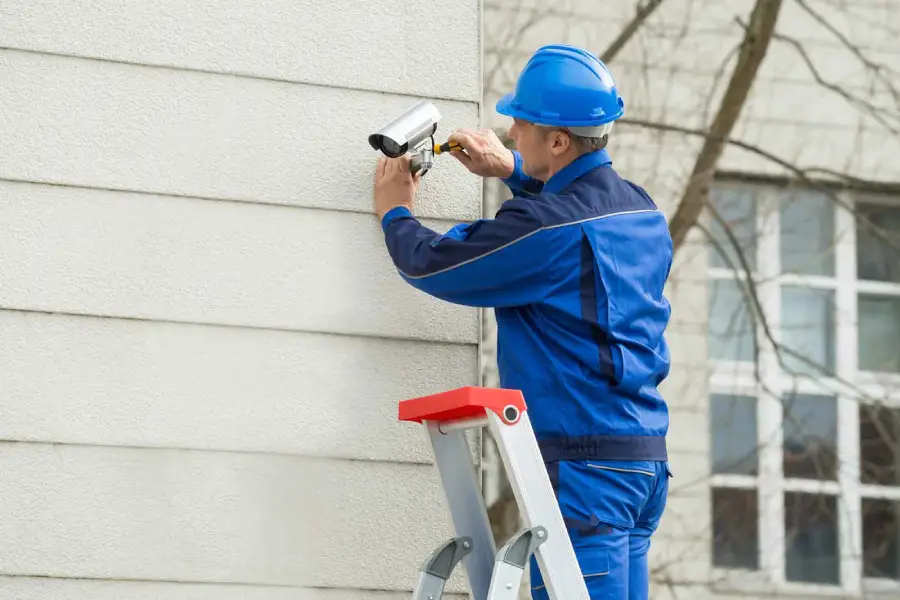
Use anti-tamper screws to secure the camera housing, making it harder for vandals to remove or open the camera.
4.Wire Protection:
Conceal and protect camera wires to prevent them from being cut.
Use conduit or secure the wires along walls to make them less accessible.
Use conduit or secure the wires along walls to make them less accessible.
5.Impact-Resistant Domes:
Opt for security cameras with impact-resistant domes, especially in areas prone to vandalism.
The dome cover adds an extra layer of protection against physical damage.
The dome cover adds an extra layer of protection against physical damage.
6.Well-Lit Areas:
Ensure that the areas monitored by cameras are well-lit. Adequate lighting can deter vandals and improve camera visibility.
7.Install Cameras Out of Reach:
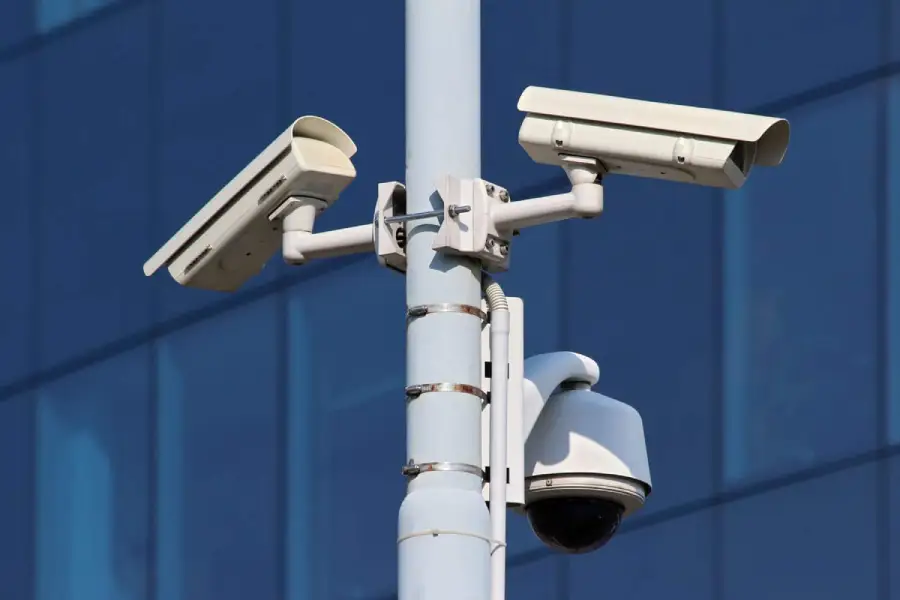
Mount cameras high on walls or poles where they are difficult for intruders to access without specialized equipment.
Question 2: How to Keep Spider Webs, Bugs, or Insects away from Security Cameras
To deter bugs from congregating around your outdoor video surveillance camera, consider using bug spray or insecticides like Bifen in the vicinity of the camera housing or cover. Alternatively, users have the option to deactivate the infrared (IR) LEDs or incorporate an external IR light/lamp for enhanced visibility.
For preventing spiders from weaving webs on external security cameras, some users recommend applying petroleum jelly to the area surrounding the camera. Additionally, natural insect repellents such as citrus, eucalyptus, lavender, and peppermint can be effective in discouraging spiders from creating cobwebs on the exterior camera.
To safeguard the camera against insects, contact sprays, aerosol sprays, and web eliminators can be applied around wireless outdoor security cameras, avoiding direct contact with the lens. Permethrin, for instance, serves as an effective solution to eliminate bug infestations.
Regularly cleaning the camera's exterior, housing, enclosures, cover, or shield with a soft-bristled brush is another practical method to keep bugs at bay and maintain the cleanliness of the outdoor surveillance camera.
Question 3: How to Protect Outdoor Camera from Cold Winter, Hot Summer, or Rain
Begin by assessing the IP (ingress protection) rating of your outdoor security camera housing, a crucial indicator of its resilience against various elements.
For instance, an outdoor surveillance camera boasting an IP rating of 66 demonstrates the capability to withstand impacts from solid matter such as dust and liquids like rainwater, effectively rendering it waterproof.
Ensure you also examine the operational temperature range of your video surveillance cameras, whether they are CCTV cameras or network IP cameras.
Many outdoor home security cameras, like the Reolink RLC-410 outdoor security camera, typically function within a temperature range spanning from 14°F to 131°F (-10˚C to +55˚C), with humidity levels maintained between 10% and 90%.
Additionally, consider acquiring an extra security camera rain cover, housing, box, or enclosure to provide added protection for outdoor home security cameras—be they wireless or wired—from rain, snow, dust, heat, and other environmental factors.
Beyond safeguarding the camera itself, when wired outdoor cameras (PoE or CCTV) are positioned openly on poles, decks, piers, or other outdoor locations, it's imperative to waterproof cables and connectors using cable connector waterproof lips or plastic conduits. Opt for durable and outdoor-rated cables; for example, gel-filled Ethernet cables work well for PoE IP cameras.
An alternative method to shield security camera wires from rain is to utilize junction boxes, effectively concealing cables and connectors from view.
If conduits or junction boxes are not part of your plan, remember to conceal any holes as well. Otherwise, moisture may follow the electrical cable surface, reaching the electrical connection points and potentially leading to significant issues and costly repairs.
Implement the following practical tips to cover security camera wire holes in the wall:
1.Fill the holes with waterproof materials such as silicone and duct seal.
2.Leave drip loops to prevent water from reaching power outlets through the holes.
3.Use waterproof outdoor covers or feed-through bushings to effectively conceal the openings.
2.Leave drip loops to prevent water from reaching power outlets through the holes.
3.Use waterproof outdoor covers or feed-through bushings to effectively conceal the openings.
Question 4: How to Stop Security Camera Fogging, Clouding, or Condensation
Occasionally, morning fogging issues may naturally dissipate, requiring no immediate surface clearing.
For persistent condensation concerns, addressing internal moisture can be achieved by inserting a silica gel packet into the housing case.
In cases where condensation results from inadequate sealing of the outdoor dome camera, start by thoroughly cleaning both the inside and outside of the dome camera. Press the foam ring firmly against the glass for optimal sealing.
Maintaining the clarity of your external surveillance camera can be achieved through regular wiping of the outer lens covers with a microfiber cloth, offering enhanced protection.
Question 5: How to Protect Outdoor Security Camera from Lightning and Thunderstorm
Avoid affixing your WiFi outdoor security camera to a metal pole, as metal can become highly conductive during power spikes. Instead, utilize a security camera weather shield for added protection.
Ensure proper grounding for your wired outdoor security system, whether it's a CCTV or PoE security system. Effective grounding minimizes damage by redirecting any potential lightning current into the earth ground, preventing damage to your security camera.
Implement lightning surge protectors to halt voltage spikes and surges. These devices block voltage levels exceeding specific thresholds and redirect any excess voltage into the outlet’s ground line.
Invest in Uninterruptible Power Supplies (UPS) units to guarantee a continuous power supply for the camera during power outages, eliminating concerns about camera shutdowns.
If you reside in an area prone to frequent thunderstorms, explore more information here on safeguarding your outdoor security system from lightning.
 Reasons to Avoid Purchasing Inexpensive Security Cameras
 How to Protect a Cctv Camera from Rain
 What's the Difference Between 4k and 1080p?
 Benefits of Surveillance Cameras in Public Places
 How to Prevent Camera Lens from Fogging at Night
 How Long Do Security Cameras Keep Footage?
 A Guide to Hiding Security Cameras
 A Complete Guide to PTZ Controller
 Best 10 Places to Put Security Cameras
 How to Power Wireless Cameras
 How to Choose the Best Security Camera Housing
 CCTV Camera Vs IP Camera: What's the Difference?
 The Top 10 CCTV Problems You Need to Fix
 Difference Between Thermal Imaging and Infrared
 How Does a Thermal Imaging Camera Work
 How Do Wireless Security Cameras Get Power
 A Guide to Reset PTZ Camera Settings
 CCTV Meaning in Business Security
 What Are the Different Types of CCTV Camera Bracket?
 What Is the Difference Between Mainstream and Substream