





How to Choose the Best Security Camera Housing
2024-02-20
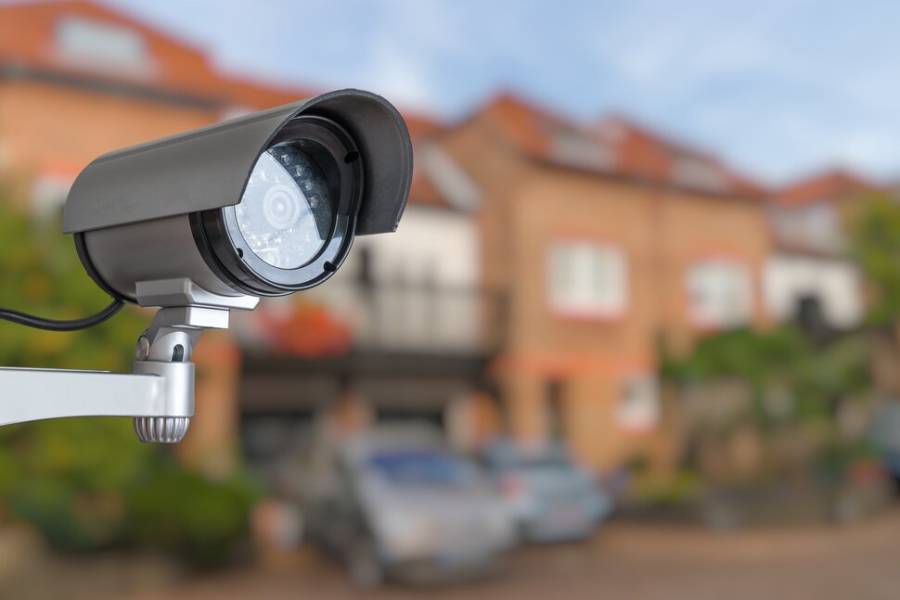
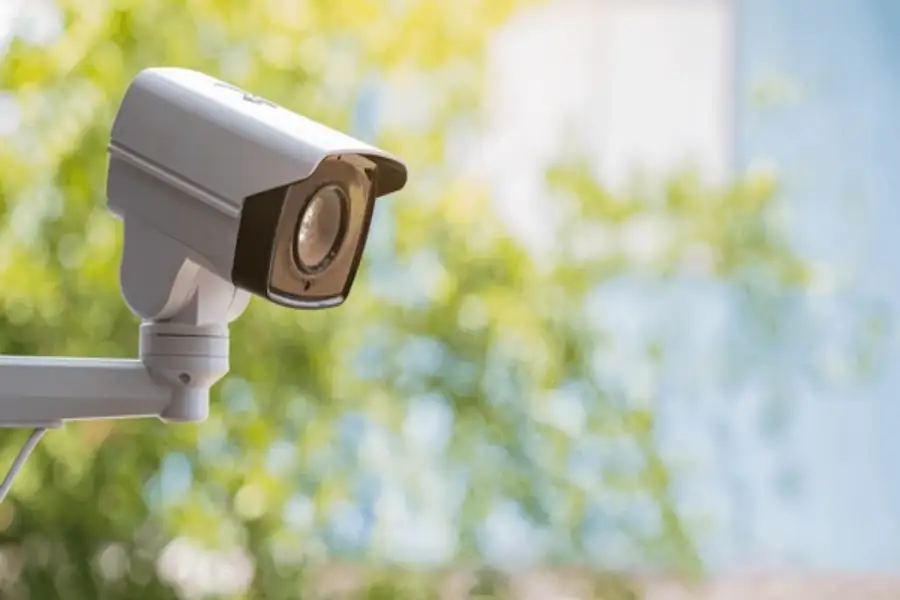
In outdoor applications, security camera housings are becoming increasingly important for preventing rapid deterioration and premature replacement of security cameras. In order for your security cameras to perform effectively and last for a long time, they must be protected properly. The right housing provides weatherproof and vandal-proof protection.
What Is Housing and Enclosure for Security?
A security enclosure, also known as a "security housing and enclosure," serves as a protective casing designed to house and safeguard various security-related devices and components. These enclosures shield sensitive equipment from environmental factors, physical damage, tampering, and unauthorized access. They find applications in housing surveillance cameras, sensors, alarms, access control systems, intercoms, and other security devices.
Key features of security enclosures include weatherproofing, impact resistance, tamper-proof locks, ventilation for heat dissipation, and sometimes heating or cooling mechanisms to maintain optimal operating conditions. These enclosures play a vital role in ensuring the reliability, functionality, and longevity of security systems by protecting critical components.
Key features of security enclosures include weatherproofing, impact resistance, tamper-proof locks, ventilation for heat dissipation, and sometimes heating or cooling mechanisms to maintain optimal operating conditions. These enclosures play a vital role in ensuring the reliability, functionality, and longevity of security systems by protecting critical components.
Key Factors to Consider When Choosing the Security Camera Housings
It's important to consider the following factors when choosing a CCTV enclosure for your surveillance technology. Whether you're protecting your outdoor or indoor security cameras, knowing what to look for is crucial.
Rugged Construction
When choosing a security camera housing, you'd want to choose one that is made entirely from stainless steel or aluminum, and that is a heavy-duty housing made of industrial stainless steel. Security cameras should be designed and installed in a way that makes it easy to install and maintain them. The right housing should provide a high internal useful area and access to the camera and lens from a working position. Rugged construction ensures reliability in any circumstance.
Weatherproof and Vandal-Proof Rating
Depending on your surveillance needs, it's crucial to select CCTV enclosures with top-tier weatherproof and vandal-proof ratings. For outdoor cameras enduring exposure to rain, snow, ice, wind, dirt, dust, acids, debris, salt sprays, humidity, and chemicals, prioritize security camera housings with IP66/IP67 weatherproof ratings for optimal protection.
Heating and Blowing Features
When choosing housing for cameras operating in extreme temperatures, it's essential to prioritize features like internal heating and blowing. These features ensure smooth camera operation even in the most challenging environments, where standard aluminum and plastic enclosures could be susceptible to damage from corrosive elements and heat. This is particularly crucial for commercial indoor and outdoor installations.
Security camera housings with advanced features often include:
- A cooling tube positioned at the rear of the camera housing, which circulates cold air to maintain optimal temperatures within the enclosure.
- Several exhaust valves integrated into the front housing cover, allowing hot air to escape and preventing overheating of internal components.
- An air nozzle designed to cool and clean the housing glass, ensuring clear visibility by removing dust and dirt buildup on the surface.
Movable Mounting Options
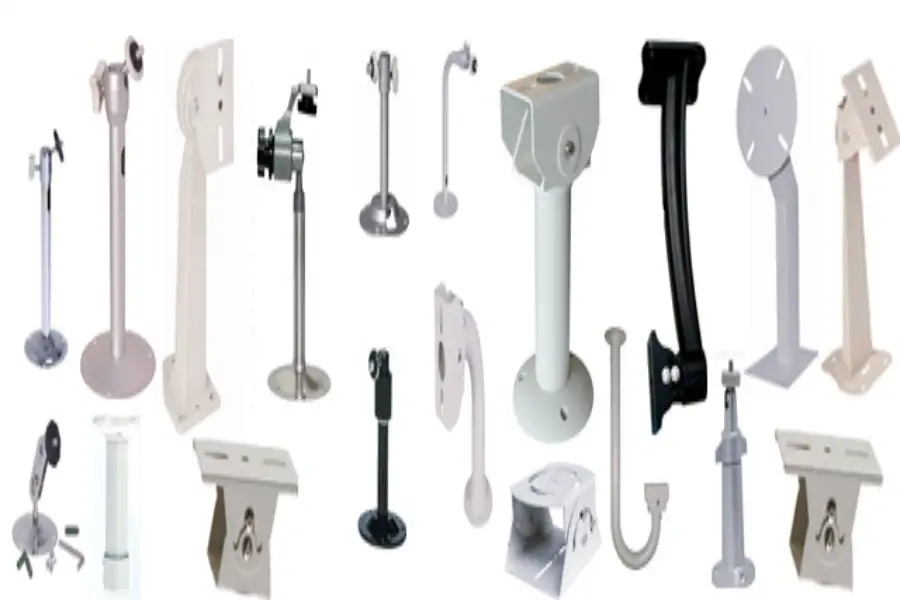
Effective mounting is essential for the functionality of CCTV enclosures. When selecting a housing for your professional box cameras, bullet cameras, or dome cameras, it's crucial to assess the provided mounting equipment. Seek enclosures equipped with sturdy brackets featuring swivels, crafted from robust materials like stainless steel for long-lasting durability. For pan-tilt-zoom cameras, prioritize housings with movable mounting brackets to accommodate their functionality.
What Are the Advantages of Choosing Good Enclosures for Home Security?
Choosing good enclosures for home security cameras offers several advantages:
1.Protection from Weather Elements: High-quality enclosures provide weatherproofing, protecting cameras from rain, snow, wind, and extreme temperatures. This ensures reliable operation regardless of outdoor conditions.
2.Vandal Resistance: Durable enclosures with vandal-proof features deter tampering, vandalism, and theft attempts, safeguarding the cameras and preserving footage integrity.
3.Extended Lifespan: Enclosures made from robust materials such as aluminum or stainless steel enhance the longevity of security cameras by shielding them from environmental damage and physical impact.
4.Optimal Performance: Properly designed enclosures maintain stable operating temperatures, preventing overheating or condensation buildup, which can compromise camera performance.
5.Flexible Mounting Options: Enclosures offer versatile mounting options, allowing cameras to be securely installed in various locations and angles to achieve optimal coverage of the property.
6.Enhanced Security: Securely mounted cameras provide a visible deterrent to potential intruders, enhancing overall security and deterring criminal activity.
7.Customization and Compatibility: Enclosures come in various sizes and configurations, ensuring compatibility with different camera models and allowing for customization to suit specific surveillance needs.
8.Cost Savings: Investing in quality enclosures helps prevent damage to cameras and reduces the need for frequent maintenance or replacement, ultimately saving on long-term repair and replacement costs.
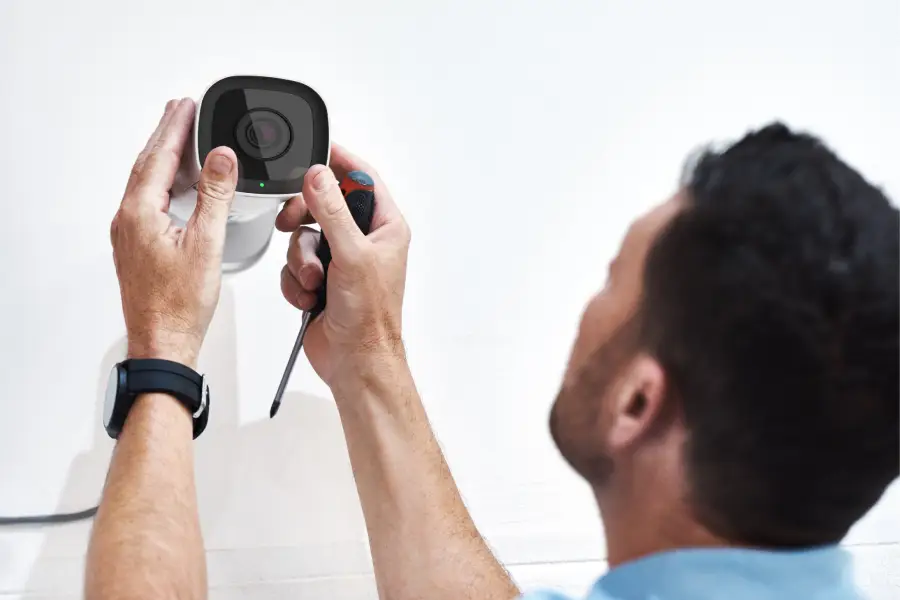
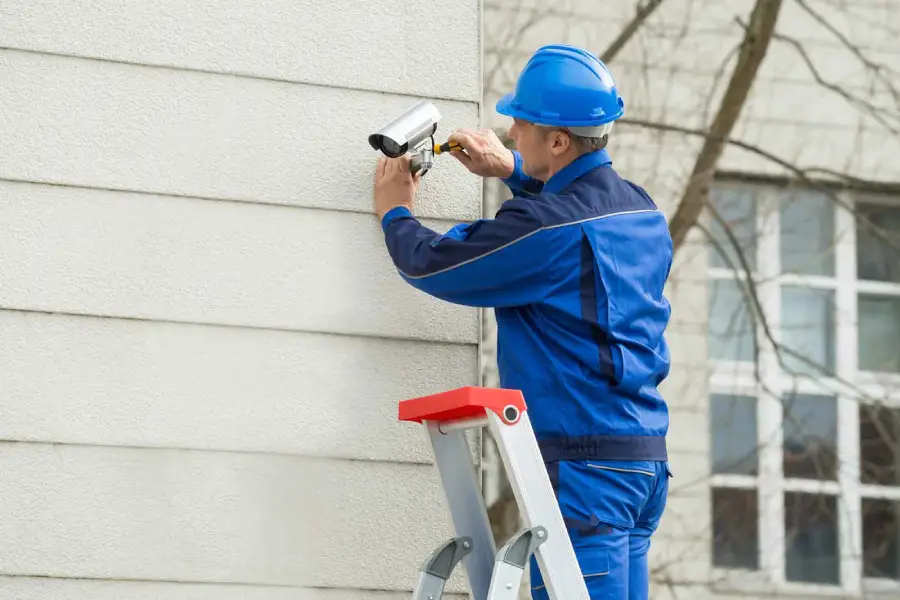
How Do You Install Camera Housing?
Installing camera housing typically involves the following steps:
1.Selecting the Installation Location: Choose an appropriate location for your camera housing, considering factors such as coverage area, accessibility, and security.
2.Preparing the Mounting Surface: Ensure the mounting surface is clean, flat, and sturdy. If necessary, use anchors or screws to secure the mounting bracket firmly in place.
3.Mounting the Housing: Attach the camera housing to the mounting bracket securely using the provided screws or bolts. Make sure the housing is level and oriented correctly to achieve the desired camera angle and coverage.
4.Routing Cables: Route the necessary cables through the housing's cable entry points, ensuring they are securely connected to the camera and other components.
5.Adjusting Camera Position: Adjust the camera's position and angle within the housing to achieve optimal coverage of the surveillance area.
6.Sealing and Weatherproofing: If the installation is outdoors or in harsh environments, ensure the housing is properly sealed and weatherproofed to protect the camera and internal components from the elements.
7.Testing and Calibration: Test the camera and housing to ensure proper functionality, adjusting settings and angles as needed for optimal performance.
8.Finalizing Installation: Once everything is in place and working correctly, secure any loose cables, clean up the installation area, and make any final adjustments as necessary.
Buy Security Camera Housings
Protect your investments with security camera enclosures, which deter tampering, weather damage, and vandalism. Whether you need indoor or outdoor enclosures for your surveillance cameras, contact CCTV Security Pros, and we'll assist you in selecting the perfect CCTV enclosure. Explore our range of standard professional security camera housings and brackets, or opt for enclosures with heating and blowing features today.
 Reasons to Avoid Purchasing Inexpensive Security Cameras
 How to Protect a Cctv Camera from Rain
 What's the Difference Between 4k and 1080p?
 Benefits of Surveillance Cameras in Public Places
 How to Prevent Camera Lens from Fogging at Night
 How Long Do Security Cameras Keep Footage?
 A Guide to Hiding Security Cameras
 A Complete Guide to PTZ Controller
 Best 10 Places to Put Security Cameras
 How to Power Wireless Cameras
 CCTV Camera Vs IP Camera: What's the Difference?
 The Top 10 CCTV Problems You Need to Fix
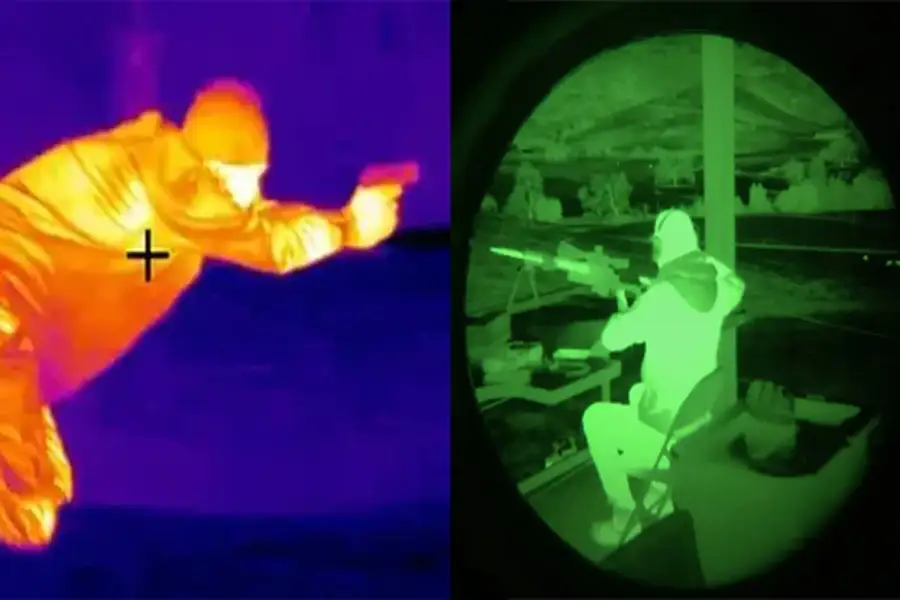 Difference Between Thermal Imaging and Infrared
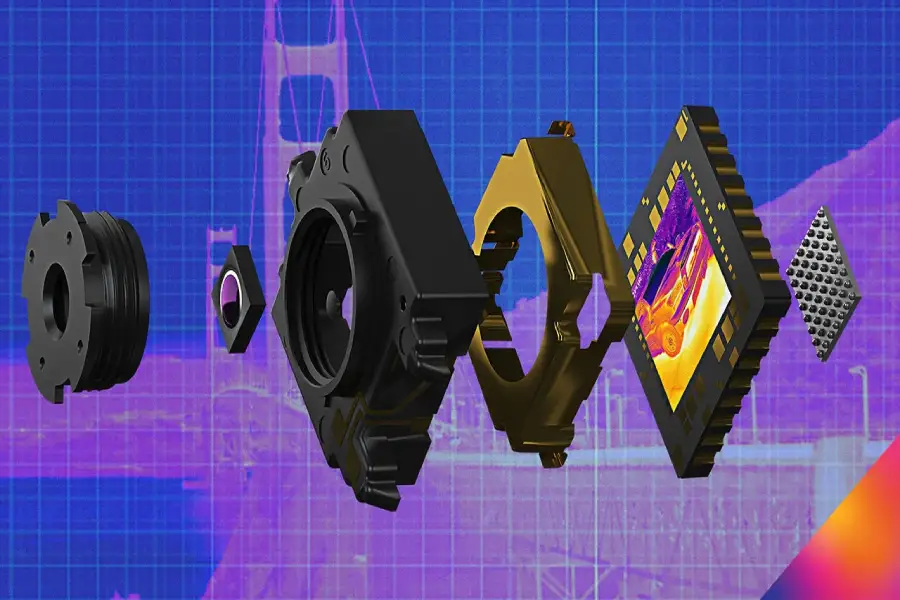 How Does a Thermal Imaging Camera Work
 How Do Wireless Security Cameras Get Power
 A Guide to Reset PTZ Camera Settings
 How to Protect Outdoor Security Cameras like a Pro
 CCTV Meaning in Business Security
 What Are the Different Types of CCTV Camera Bracket?
 What Is the Difference Between Mainstream and Substream