





What's the Difference Between 4k and 1080p?
2024-04-18
When it comes to digital screens and video content, resolution is an important factor in determining their clarity and quality. We commonly hear the terms 4K and 1080p, but what do they actually mean? Let's explore the differences and decide which is best for your needs.

What is 4K?
4K, also referred to as Ultra High Definition (UHD), boasts a significantly higher resolution than 1080p. It measures 3840 pixels horizontally by 2160 pixels vertically, offering four times the number of pixels as 1080p. As a result, 4K delivers incredibly sharp and detailed images, making it ideal for large screens and professional applications.
What is 1080p?
1080p, also known as Full HD or High Definition (HD), is a display resolution that measures 1920 pixels horizontally by 1080 pixels vertically. This resolution is commonly found in TVs, computer monitors, and smartphones. With 1080p, you get crisp and clear images suitable for most viewing scenarios.
What Do These Terms "4k" And "1080p" Refer to in the Context of Video Resolution?
When discussing video resolution, "4K" and "1080p" are specific standards that determine the number of pixels utilized to form an image or video frame.
- 4K (Ultra High Definition – UHD): 4K resolution, also known as 2160p, encompasses approximately 3840 x 2160 pixels, providing exceptional detail and clarity. It's particularly suited for large-screen displays and high-quality content.
- 1080p (Full High Definition – FHD): 1080p resolution, or Full HD, consists of 1920 x 1080 pixels, offering good image quality. Commonly found in HDTVs, computer monitors, and Blu-ray discs, it has fewer pixels compared to 4K.
The main distinction between these resolutions lies in the pixel count used to generate the image. 4K boasts a notably higher pixel count compared to 1080p, resulting in a crisper and more detailed image. As a result, 4K content generally delivers superior visual quality, particularly on larger screens. However, it necessitates compatible display devices to fully enjoy the enhanced resolution.
How Does the Picture Quality of 4k Compare to 1080p?
The superiority of 4K picture quality over 1080p stems from its higher resolution and pixel count. Here's a breakdown comparing the two:
- Resolution and Detail: 4K boasts four times the resolution and pixel count of 1080p, allowing for finer details and crisper images, especially noticeable on larger screens or when viewed up close.
- Clarity and Sharpness: 4K delivers greater clarity and sharpness, reducing pixelation and presenting objects and text with enhanced crispness for a more immersive viewing experience.
- Color Depth: While resolution isn't the sole factor, 4K often offers improved color depth and dynamic range, resulting in more vibrant and lifelike colors, particularly evident in high-quality 4K content.
- Upconversion: 4K TVs often feature upscaling technology, enhancing the quality of 1080p content by converting it to 4K, resulting in better visuals compared to viewing it on a 1080p TV.
- Screen Size: The difference between 4K and 1080p is more notable on larger screens, while on smaller screens like smartphones or tablets, the variance in picture quality may not be as pronounced.
- Content Quality: The source content quality matters significantly. High-quality 4K content shot with 4K cameras showcases the benefits of the higher resolution more effectively than lower-quality content.
Are There Visible Differences in Sharpness and Detail?
Indeed, discernible disparities in sharpness and detail emerge when comparing 4K and 1080p resolutions. These variations are particularly conspicuous under specific conditions, such as on larger screens and during close-up viewing. Here's a closer examination of these disparities:
- Enhanced Detail: 4K resolution offers a substantially higher pixel count than 1080p, resulting in markedly superior detail in images and videos. Minute intricacies, textures, and subtle patterns are more prominent and clearer in 4K content.
- Sharper Imagery: 4K content exhibits heightened sharpness and clarity, courtesy of its augmented pixel density. Edges and contours are more crisply defined, mitigating jagged edges or pixelation, which can be more pronounced in 1080p content.
- Improved Text Clarity: Text and diminutive elements within videos or user interfaces are more legible and distinguishable in 4K, rendering it advantageous for tasks such as reading subtitles or engaging with text-centric applications.
- Diminished Screen Door Effect: In certain virtual reality (VR) and augmented reality (AR) scenarios, a "screen door effect" may occur, where the pixel grid on a display becomes perceptible. 4K displays diminish or eradicate this effect, fostering a more immersive experience.
- Upscaling Fidelity: Even while viewing 1080p content on a 4K display, the television's upscaling technology can heighten sharpness and detail, enhancing the content's appearance beyond what a native 1080p display would offer.
Nevertheless, it's crucial to acknowledge that the perceived enhancements in sharpness and detail fluctuate depending on factors such as screen size, viewing distance, content quality, and the viewer's visual acuity. On smaller screens or when viewing from a distance, the disparities may be less apparent. Conversely, on larger screens and with high-caliber 4K content, the advantages of 4K resolution become more conspicuous, thereby enriching the viewing experience.
4k and 1080p, Which One Is Better?
The superiority between 4K and 1080p hinges on various factors, encompassing your device, screen size, and personal inclinations.
Regarding resolution, 4K surpasses 1080p with its higher pixel count, yielding a sharper and more intricate image. This makes 4K an appealing choice for content consumption on expansive displays like 4K televisions or projectors. Nonetheless, the disparity in resolution might not be as discernible on smaller screens or when viewed from a distance.
Another aspect to ponder is the accessibility of content in 4K versus 1080p. While 4K content is increasingly prevalent, 1080p remains the norm for many sources. Additionally, 4K content necessitates more storage space and bandwidth for streaming or downloading.
HDR, which enhances color and luminance, can enhance both 4K and 1080p content. Yet, the quality of HDR can fluctuate depending on several factors, contributing to differences in visual experience.
Ultimately, the choice between 4K and 1080p hinges on your preferences, display capabilities, and available resources. If you favor a more detailed image and own a sizable screen, 4K might be preferable. However, if storage or bandwidth constraints are a concern, or if you don't discern a significant disparity in image quality, 1080p could be a more pragmatic option.
 Reasons to Avoid Purchasing Inexpensive Security Cameras
 How to Protect a Cctv Camera from Rain
 Benefits of Surveillance Cameras in Public Places
 How to Prevent Camera Lens from Fogging at Night
 How Long Do Security Cameras Keep Footage?
 A Guide to Hiding Security Cameras
 A Complete Guide to PTZ Controller
 Best 10 Places to Put Security Cameras
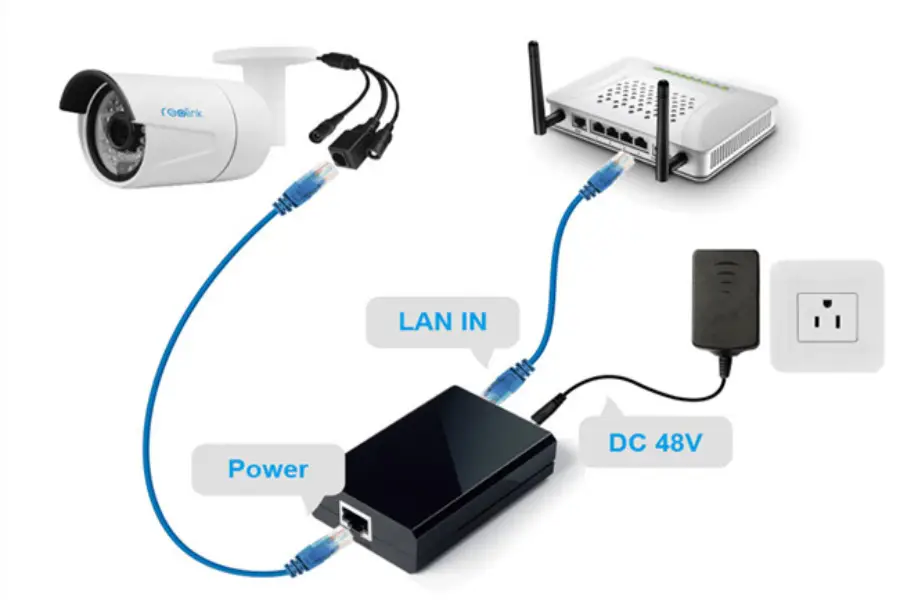 How to Power Wireless Cameras
 How to Choose the Best Security Camera Housing
 CCTV Camera Vs IP Camera: What's the Difference?
 The Top 10 CCTV Problems You Need to Fix
 Difference Between Thermal Imaging and Infrared
 How Does a Thermal Imaging Camera Work
 How Do Wireless Security Cameras Get Power
 A Guide to Reset PTZ Camera Settings
 How to Protect Outdoor Security Cameras like a Pro
 CCTV Meaning in Business Security
 What Are the Different Types of CCTV Camera Bracket?
 What Is the Difference Between Mainstream and Substream